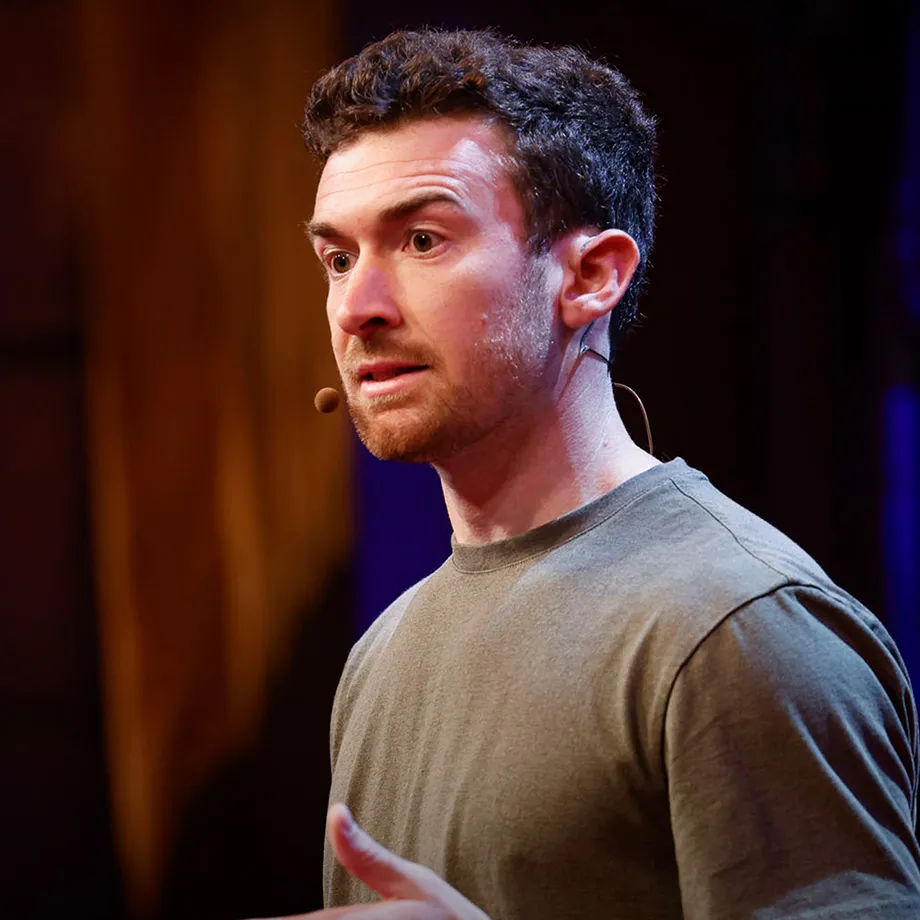
Giving AI Agents Memory That Learns — Jake Broekhuizen, LangChain
AI Engineer World's Fair 2026 · 16:38

AI agent frameworks and development infrastructure
LangChain builds open-source frameworks and a commercial platform for teams developing AI agents that use data and take actions. Its namesake framework connects models and tools in customizable agent loops; LangGraph provides the runtime for custom workflows. Deep Agents packages context management, files, memory, and subagents for longer tasks. The commercial LangSmith platform lets developers trace behavior, evaluate results, deploy agents, and build them without code. It also works with agents built outside LangChain’s frameworks, giving teams a way to test and improve their systems without adopting the entire stack.
In September 2026, LangChain added Jev as an evaluator in LangSmith. Developers can evaluate traces with typed questions and receive structured feedback rather than converting generated text into a verdict. The team also published a Jev harness example covering model routing and tool-risk decisions. These releases extend its agent-evaluation and orchestration tools; accuracy still depends on the task being evaluated.
CEO Harrison Chase began LangChain as a Python side project in late 2022 and founded the company with Ankush Gola in early 2023. Its engineering approach emphasizes control over agent execution: LangGraph adapts the BSP/Pregel algorithm to support cyclic workflows and deterministic concurrency. Checkpoints save intermediate state so agents can recover from failures or pause for human approval and resume without restarting the task.
In March 2026, the company reported over one million practitioners using its open-source frameworks, more than one billion cumulative framework downloads, and over 300 enterprise customers for LangSmith. Its October 2025 financing raised $125 million at a $1.25 billion valuation, with IVP leading the round.
AI Engineer World's Fair 2026 · 16:38
AI Engineer World's Fair 2025 · 20:55
AI Engineer Summit 2023 · 18:54
Affiliations reflect their AIE appearances, not necessarily current employment.