Building on the Codex Harness — Dominik Kundel, OpenAI
AI Engineer World's Fair 2026 · 18:07

AI models, applications, and developer tools
OpenAI develops AI models and applications for consumers, developers, and organizations. ChatGPT supports conversational assistance, while ChatGPT Work carries out tasks across connected apps and files, producing spreadsheets, presentations, documents, and web apps. Users can review progress, steer work, and approve important actions. Codex helps developers build software and review pull requests; OpenAI’s APIs let developers build on its models. Together, these products span direct assistance, software development, and workflows involving multiple tools.
Founded as a nonprofit in 2015, OpenAI began with Sam Altman and Elon Musk as co-chairs, Greg Brockman as CTO, and Ilya Sutskever as research director. Altman is its current CEO. Its InstructGPT research applied reinforcement learning from human feedback to improve instruction following: human demonstrations and ranked model responses supplied training data, and a learned reward model guided further training. This approach addressed the gap between predicting text and responding to user intentions.
Following its completed 2025 recapitalization, the nonprofit OpenAI Foundation continues to control OpenAI Group PBC, its commercial public benefit corporation. In March 2026, OpenAI reported more than 900 million weekly active ChatGPT users and over 50 million subscribers. That month, it closed a funding round with $122 billion in committed capital at an $852 billion post-money valuation. By July 2026, the company reported more than 5 million weekly Codex users, including more than 1 million using it outside software development.
AI Engineer World's Fair 2026 · 18:07
AI Engineer World's Fair 2026 · 1:07:24
AI Engineer World's Fair 2026 · 44:34
AI Engineer World's Fair 2026 · 1:15:02
Alexander Embiricos · Romain Huet · Peter Steinberger
AI Engineer World's Fair 2026 · 25:13
AI Engineer Europe 2026 · 46:21
AI Engineer World's Fair 2025 · 1:46:15
Sean DuBois · Kwindla Hultman Kramer
AI Engineer World's Fair 2025 · 16:30
AI Engineer World's Fair 2024 · 23:39
Affiliations reflect their AIE appearances, not necessarily current employment.
 Will HangMachine-learning engineerCathy ZhouAI engineerAnoop KothaToki Sherbakov
 Dominik KundelDeveloper Experience Lead
 Vaibhav SrivastavKatia Gil GuzmanDeveloper-experience engineerKarina NguyenFounder of Thoughtful
 Greg Brockman
 Abhishek BhardwajMember of Technical Staff, RL & Agent Infrastructure
 Romain HuetHead of Developer Experience
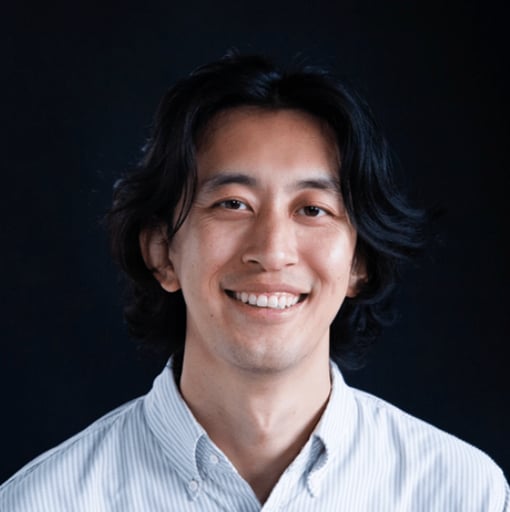 Jason LiuDeveloper Experience, OpenAIIlan Bigio
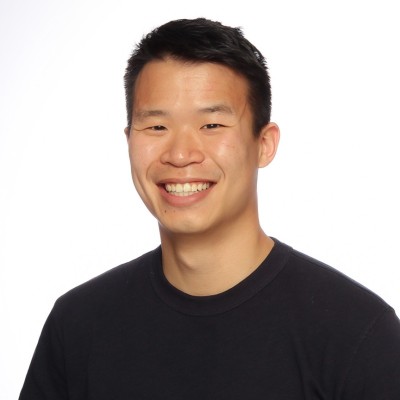 Bill ChenApplied AI engineer and former founder of RiskAngle
 Brian FiocaOpenAI engineer
 Ryan LopopoloMember of Technical StaffPrashant MitalStartup solutions architect
 Fouad MatinOpenAI security engineer and the co-founder and former chief executive of Indent
 Logan KilpatrickProduct lead for Google AI Studio and the Gemini APISimón FishmanSean GroveFounder and chief executive of Linzumi
 Peter SteinbergerOpenClaw
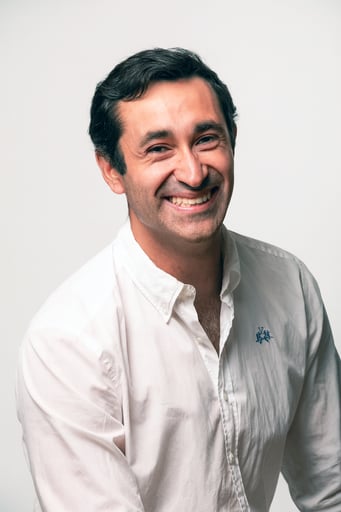 Alexander EmbiricosHead of Enterprise Product
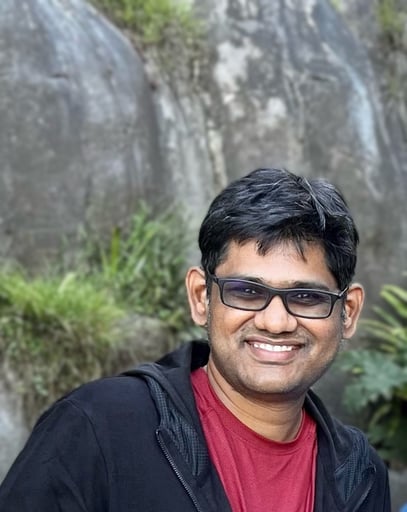 Vinoth GovindarajanMember of Technical StaffSean DuBoisMember of the technical staff
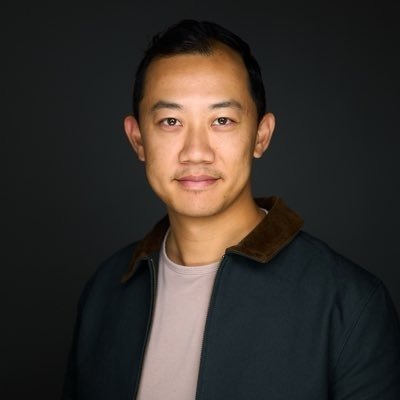 Charlie GuoDeveloper Experience Engineer
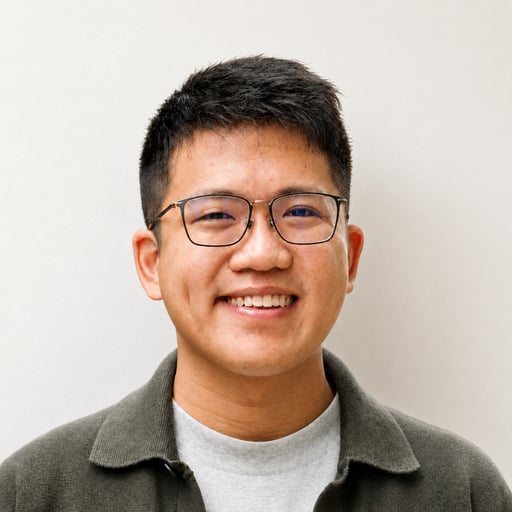 Gabriel ChuaOpenAI’s Developer Experience Engineer for APAC
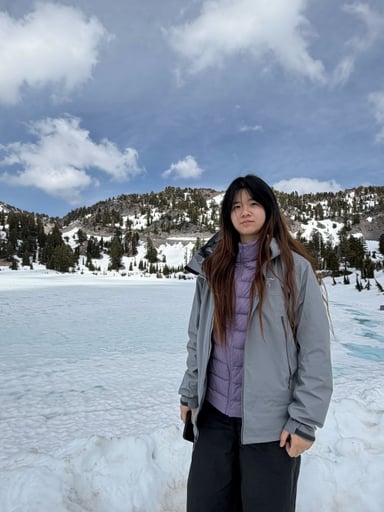 Qianru LaoSystems engineer and Member of Technical Staff on OpenAI’s Inference team
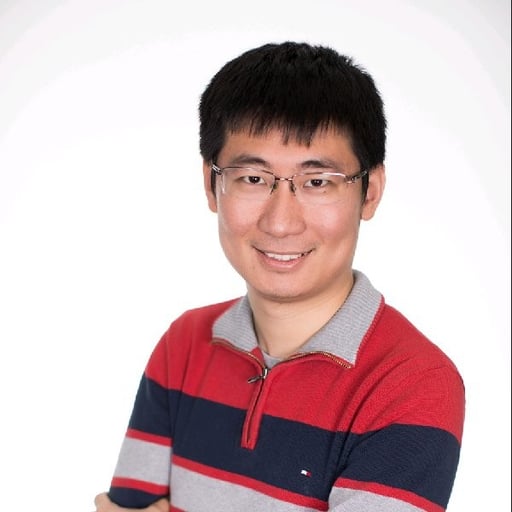 Lu Zhang