Anthropic's Applied AI team on the Evolution of Agentic Surfaces
AI Engineer World's Fair 2026 · 31:24

AI models, applications, and safety research
Anthropic builds Claude, a family of AI models and applications for coding, agents, and professional work. Its products serve individuals, developers, researchers, and enterprises: Claude Code is its coding agent, while Claude Science combines researchers’ tools and packages with access to computing resources and produces auditable artifacts. Developers can use its API to connect agents to external tools, with tool search and programmatic calling designed to handle thousands of tools in complex workflows.
In September 2026, Anthropic began merging Cowork and chat into one Claude, rolling out first on Pro and Max. Its redesigned Projects lets Claude coordinate parallel cloud sessions with shared memory and project context. That experience launched as a limited beta for select Pro and Max Claude Code users, with broader access and Team and Enterprise support to follow.
Founded in 2021 by former OpenAI employees including CEO Dario Amodei and president Daniela Amodei, Anthropic is structured as a public benefit corporation. Its mechanistic interpretability research uses dictionary learning to identify concepts represented inside models; in 2024, researchers extracted millions of features from Claude Sonnet and manipulated them to test effects on behavior. Anthropic also introduced the Model Context Protocol, an open standard connecting AI applications to external systems, and donated it to the Linux Foundation’s Agentic AI Foundation in 2025.
In May 2026, the company reported that its annualized revenue run rate exceeded $47 billion, alongside enterprise adoption across industries. That month, Anthropic raised $65 billion in Series H funding at a $965 billion post-money valuation, including $15 billion in previously committed hyperscaler investments. The financing was intended to expand computing capacity, support safety and interpretability research, and scale its products and partnerships.
AI Engineer World's Fair 2026 · 31:24
Cat Wu · Thariq Shihipar · Simon Willison
AI Engineer World's Fair 2026 · 51:30
AI Engineer World's Fair 2026 · 19:53
AI Engineer World's Fair 2026 · 26:10
Christopher Lovejoy · Saul Howard
AI Engineer World's Fair 2026 · 19:15
AI Engineer Europe 2026 · 1:15:40
AI Engineer Code 2025 · 1:52:25
AI Engineer World's Fair 2025 · 17:45
AI Engineer World's Fair 2025 · 15:12
Barr Yaron · Mihir · John · Tina · Shrestha Basu Mallick · Paige Bailey · Colin Flaherty · Petra · Steven
AI Engineer Summit 2025 · 22:26
AI Engineer World's Fair 2024 · 1:34:56
Affiliations reflect their AIE appearances, not necessarily current employment.
 Barry ZhangMember of Technical Staff
 Mahesh MuragMember of Anthropic’s technical staff and a co-creator of Agent SkillsAlexander BrickenMember of Anthropic’s technical staffJoe BayleyEnterprise AI go-to-market specialist
 Gagan BhatMember of Technical Staff
 Isabella Kai HeMember of Technical StaffJamie NeuwirthAnthropic’s Head of Startup SalesZack Witten
 Thariq ShihiparClaude Code
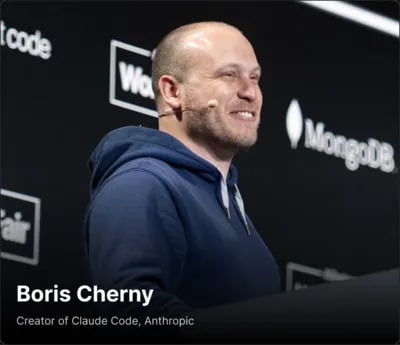 Boris Cherny
 Cat WuHead of Product, Claude Code
 Lance MartinMember of Technical Staff
 Katelyn LesseAnthropic’s Head of Platform Engineering
 Kevin BaiMember of Technical StaffMihirJohn
 David Soria ParraCreator of MCP
 Karan SampathApplied AI engineer
 Ash PrabakerMember of technical staff
 Andrew WilsonTheodora ChuJohn WelshSoftware engineer
 Eugene YanMember of Technical Staff
 Alex Albert
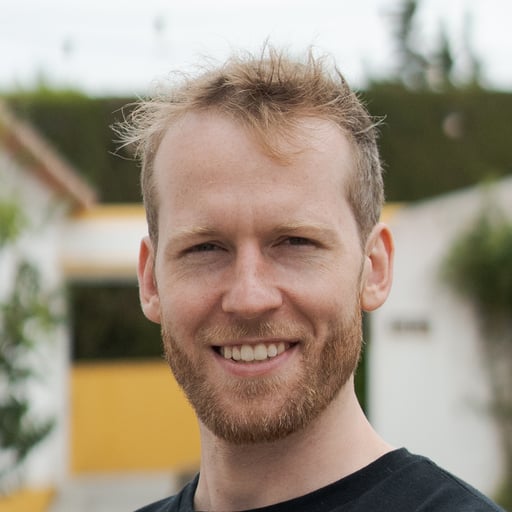 Christopher LovejoyMember of Technical StaffKarina NguyenFounder of Thoughtful
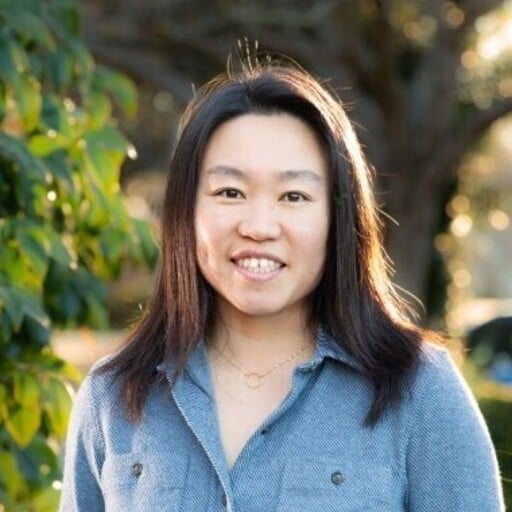 Angela Jiang
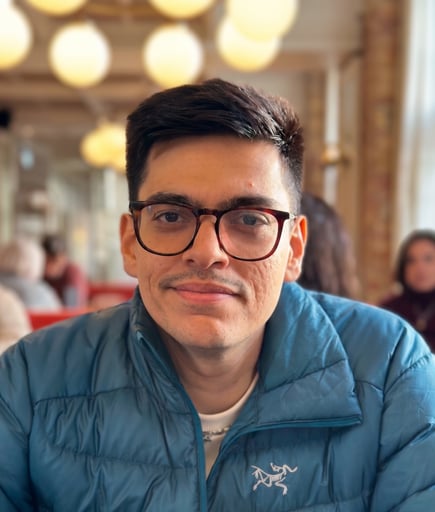 Sachin Malhotra
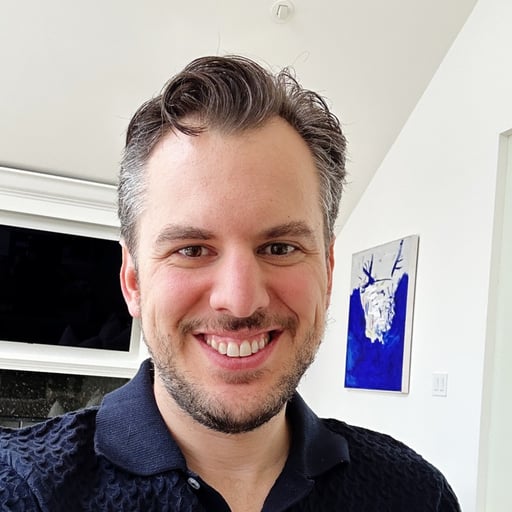 Mike Krieger