AI Engineer · Tenex
October 13 · Remarks
Opening Remarks
Lia McBrideAI EngineerGeneral Manager
Alex LiebermanTenexManaging Partner
AI engineering meets Wall Street: a room of builders comparing what already works, and what might become normal next.

October 13–14, 2026 · New York City
The people building AI across finance, frontier labs, and infrastructure. Explore their illustrated reading editions, recordings, and transcripts.
53 of 53 sessions · Recording order · timestamps are positions in the livestream
AI Engineer · Tenex
October 13 · Remarks
Lia McBrideAI EngineerGeneral Manager
Alex LiebermanTenexManaging Partner
AI engineering meets Wall Street: a room of builders comparing what already works, and what might become normal next.
Bridgewater
October 13 · Main stage
Aaron LinskyBridgewaterHead of Product Engineering
Sam GreenBridgewaterTeam Lead, Applied AI - AIA Labs
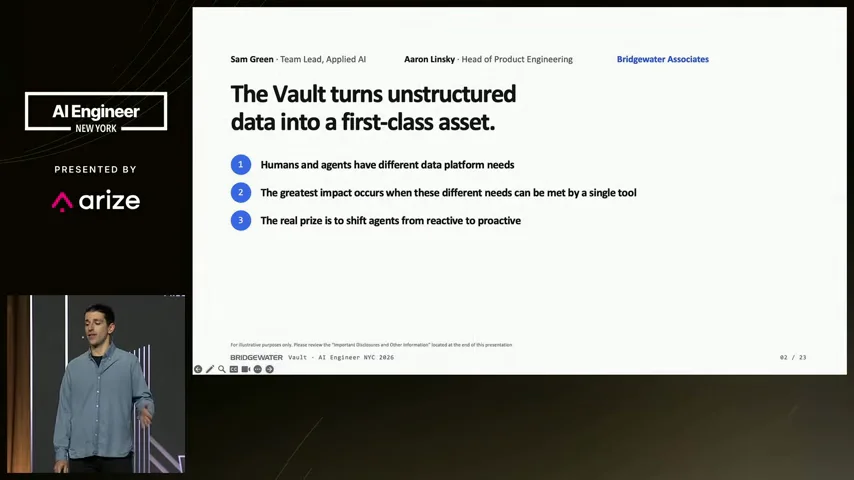
Investment agents need the research an investor would read—and a way to remember what the firm learns. Bridgewater’s Vault puts both into the same research loop.
Anthropic
October 13 · Main stage
Belinda NealAnthropicManaging Director, Financial Services
Keon ShahabAnthropicApplied AI Architect
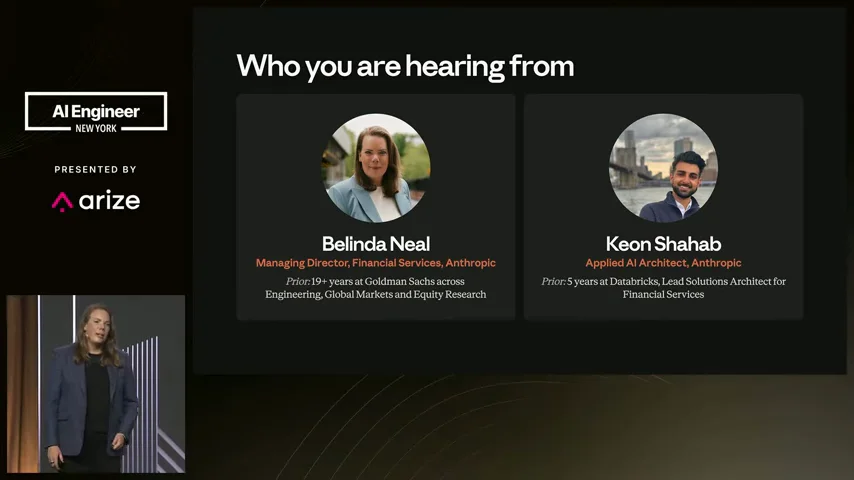
A trade-break agent can investigate a discrepancy without having permission to change the order. Belinda Neal and Keon Shahab show how to reuse that separation across financial workflows.
Two Sigma
October 13 · Main stage
John FeminellaTwo SigmaSVP Architecture
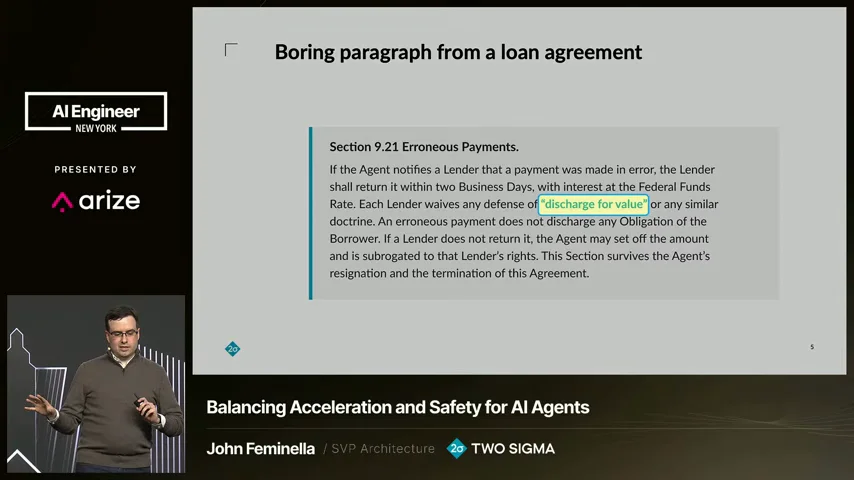
John Feminella uses a catastrophic payment mistake to explain five controls that make agents visible, constrain their access, and reserve human attention for decisions that need it.
Capital One
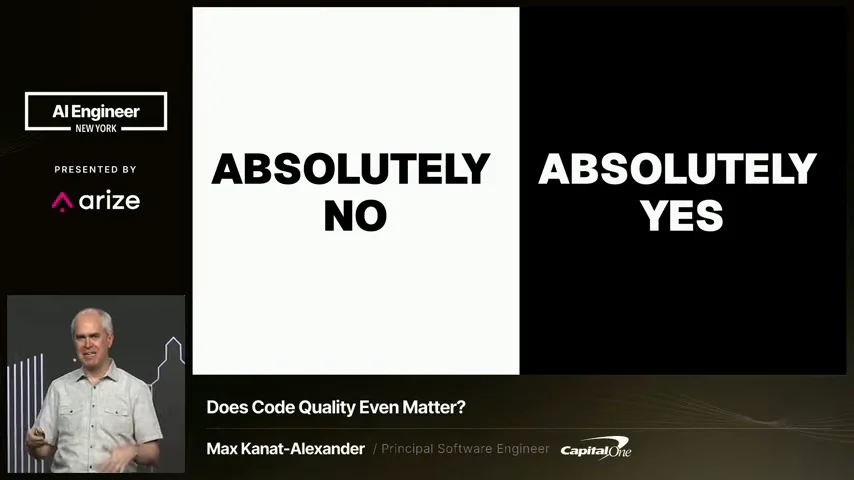
October 13 · Main stage
Max Kanat-AlexanderCapital OnePrincipal Software Engineer
Cheap code makes some programs disposable. For the systems people will keep changing, Max Kanat-Alexander argues that AI should make engineering rigor cheaper too.
Arize AI
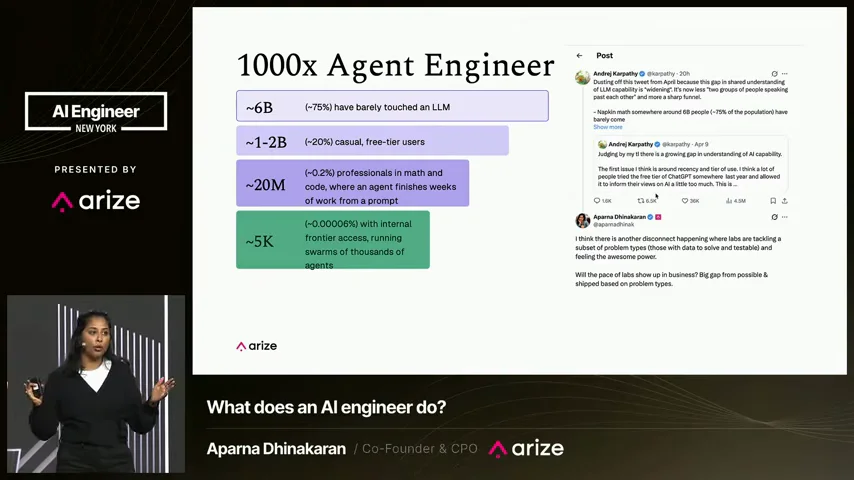
October 13 · Main stage
Aparna DhinakaranArize AICo-Founder & Chief Product Officer
Arize Signal reads traces, finds recurring problems, and can propose fixes. Building that loop requires decisions about memory, temporary access, recovery, and what counts as a good fix.
Wells Fargo
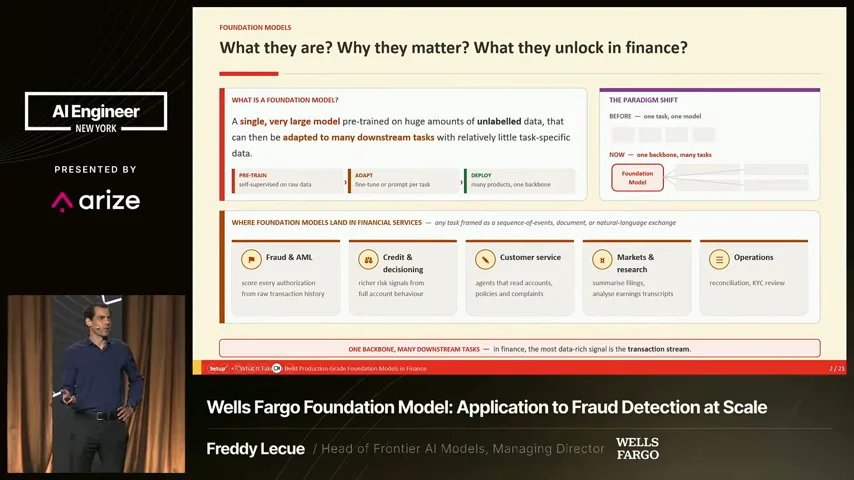
October 13 · Main stage
Freddy LecueWells FargoHead of Frontier AI Models, Managing Director
Freddy Lecue explains why Wells Fargo trained a transformer on transactions rather than text, how it tokenizes heterogeneous banking data, and how the resulting representation supports fraud detection.
Arca
October 13 · Main stage
Aman SinghArcaLead AI Engineer
Aman Singh follows one client’s tax payment across days of analysis, approval, trading, and settlement to show how Arca’s agents keep work moving between human decisions.
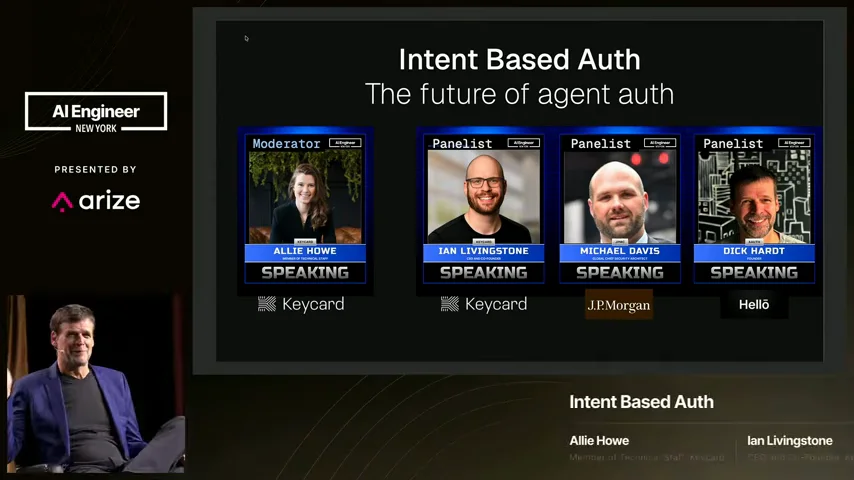
AAuth · JPMC · Keycard
October 13 · Main stage
Allie HoweKeycardMember of Technical Staff
Ian LivingstoneKeycardCEO and Co-Founder
Michael DavisJPMCGlobal Chief Security Architect
Dick HardtAAuthFounder
Permission to call a payment API cannot tell an agent whether it should pay this invoice again. This panel explores how mission history, budgets, and changing conditions can inform each authorization decision.
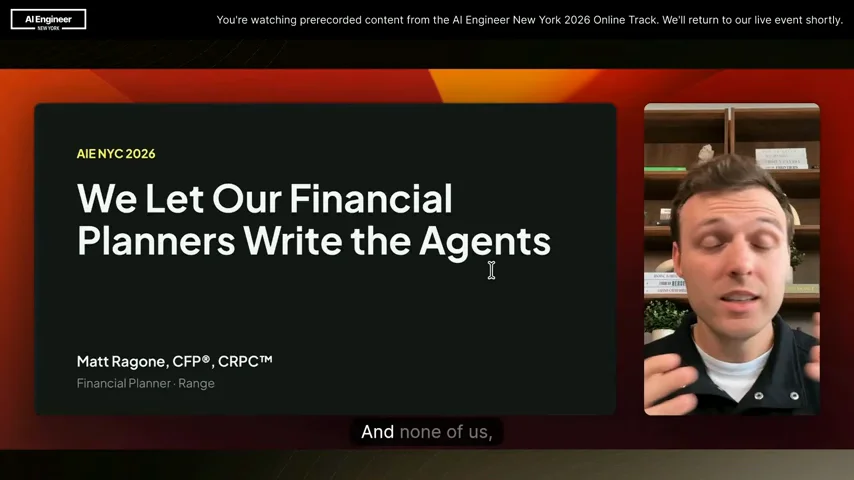
Range
October 13 · Online track
Matt RagoneRangeFinancial Planner
At Range, financial planners write and maintain the skills that draft their work. Matt Ragone explains how to turn professional judgment into a repeatable process without handing client communication to an agent.
Keycard
October 13 · Online track
Kim MaidaKeycardFounding GTM Engineer
An on-call agent can be useful and dangerously overprivileged at the same time. Kim Maida follows the same incident queue before and after adding identity, token exchange, and task-scoped policy.
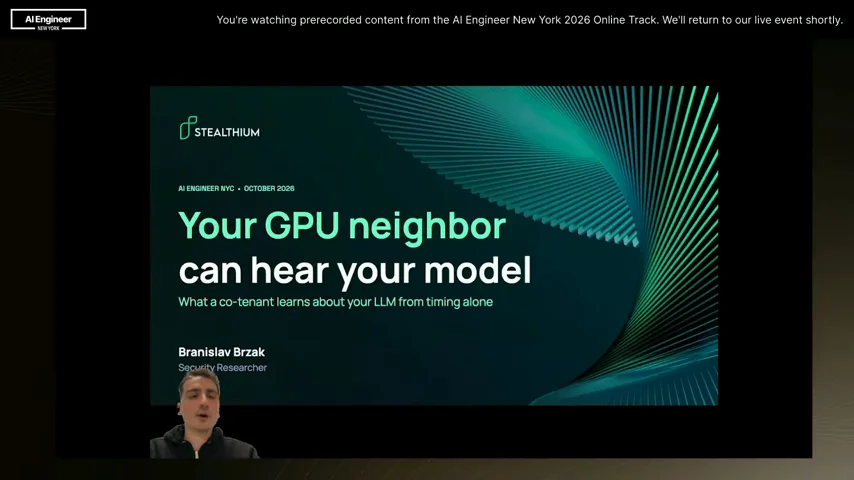
Stealthium
October 13 · Online track
Branislav BrzakStealthiumCybersecurity Researcher
Branislav Brzak demonstrates how timing on shared GPUs can reveal model behavior even when memory and compute are partitioned, then explains what operators can control.
Railway
October 13 · Online track
Mahmoud AbdelwahabRailway
A working internal app can still be unpleasant to use. Mahmoud Abdelwahab walks through the product details, reusable patterns, and verification loop behind Railway’s agent-built marketing tools.
Southbridge
October 13 · Online track
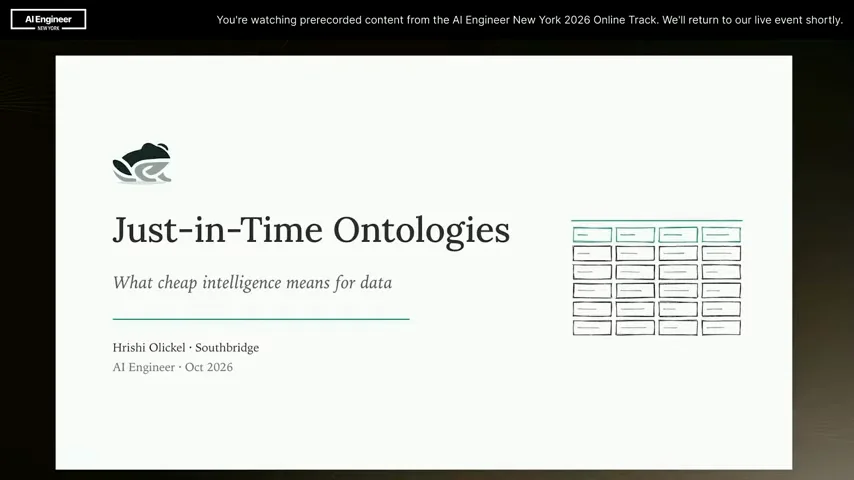
Hrishi OlickelSouthbridge
The meaning of a customer depends on the decision being made. Hrishi Olickel explains why data pipelines need contextual schemas, distinct model roles, and bounded experiments that can trade cost against quality.
Perpetual
October 13 · Online track
Karthic RaoPerpetualCTO
A request to complete one form can become a process lasting days. Karthic Rao follows that request through Perpetual’s compiler, approval gates, and typed model calls.
Flywire
October 13 · Online track · Excerpt
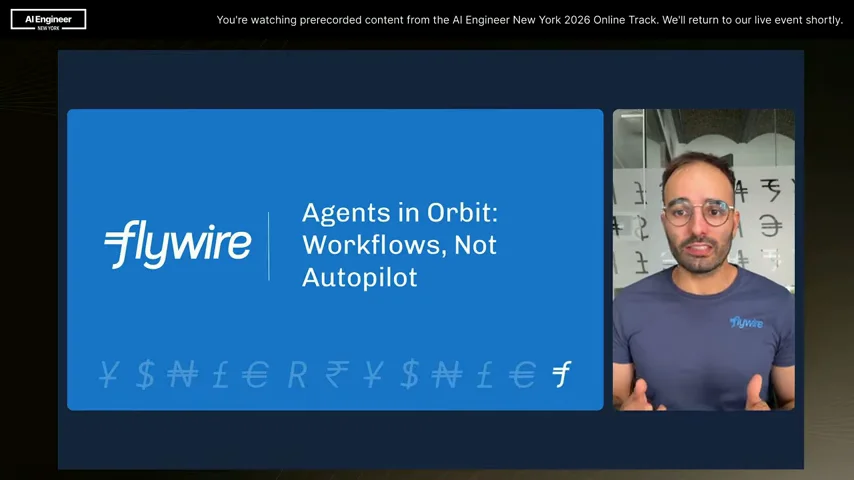
Eduardo SimonFlywire
Javier CasalFlywire
Flywire’s Orbit brings engineering agents into an existing GitLab and AWS environment. This opening excerpt covers the company’s infrastructure and privacy constraints before the livestream returns to the live stage.
Modal
October 13 · Main stage
Akshat BubnaModalCTO
A spreadsheet with an agent behind every cell needs fast compute, shared storage, and deliberate isolation. Akshat Bubna explains how those requirements change the sandbox beneath an agent.
Vals AI
October 13 · Main stage
Rayan KrishnanVals AICo-Founder & CEO
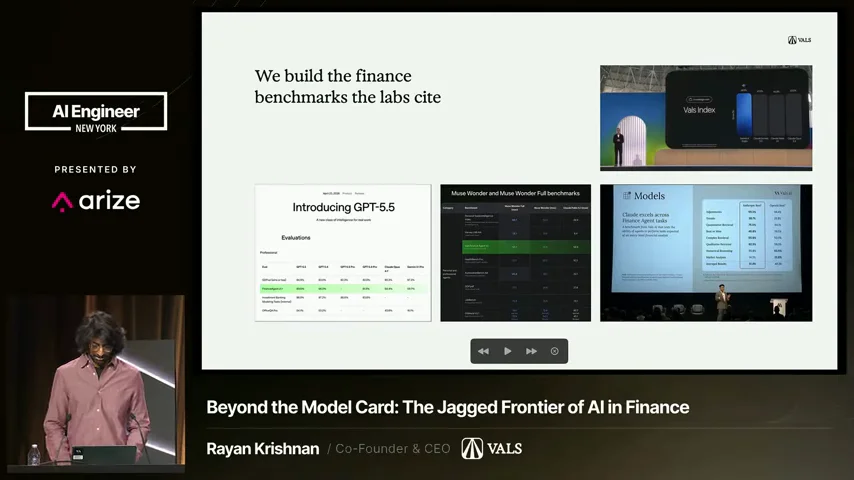
A model can earn strong partial credit and still produce work that cannot be sent to a client. Rayan Krishnan shows how evaluations built from a firm’s own work can guide model choice, spending, and deployment.
Kepler
October 13 · Main stage
Jack WoodruffKeplerSenior Advisor
Vinoo GaneshKeplerCEO
Jack Woodruff sees AI changing research preparation and analysts’ roles while leaving a central investment problem intact: deciding where limited human attention can uncover a divergent view.
Revolut
October 13 · Main stage
David AbitbolRevolutOps & Infrastructure Leader
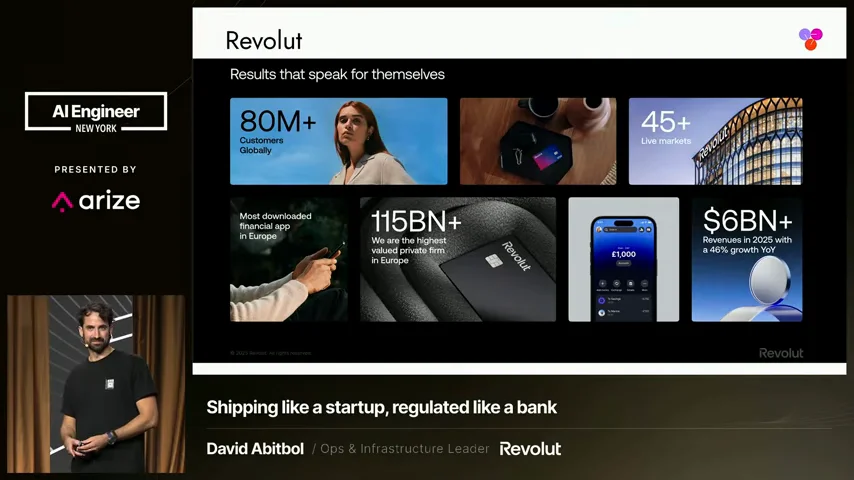
David Abitbol describes Revolut’s move toward self-hosted coding models, the inference tuning that made them practical, and the operational controls used around a regulated engineering organization.
Sid Pednekar
October 13 · Main stage
Sid PednekarHead of Data and AI | Asset Management
Sid Pednekar follows two hypothetical investment firms to show why widespread access to AI can still produce very different results: the scarce resource is the judgment that shapes the work.
Tenex
October 13 · Remarks
Alex LiebermanTenexManaging Partner
Alex Lieberman returns to the adoption gap: distributing an LLM is much more common than putting agents to work across a business.
Coatue
October 13 · Main stage
Frank LongCoatueHead of AI
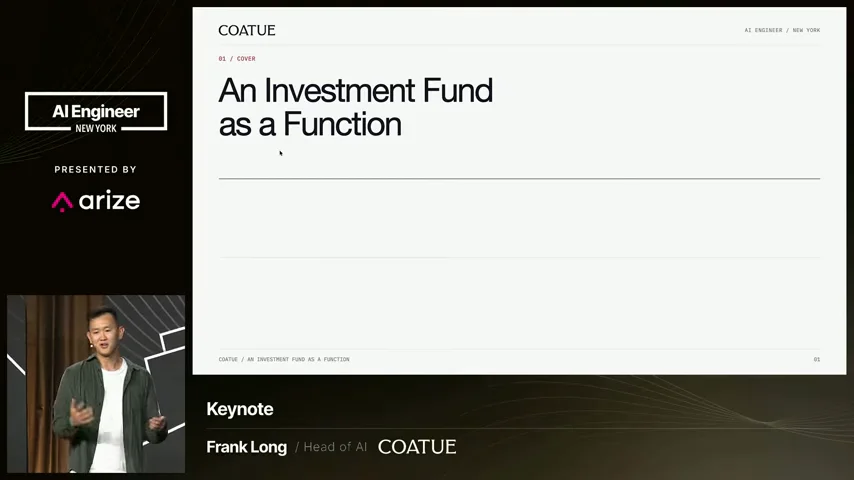
Frank Long models an investment firm as a function that turns external and internal context into selection, size, and timing. The engineering challenge appears when that function is decomposed into work that code, models, and people can each perform well.
General Intuition
October 13 · Main stage
Pim de WitteGeneral IntuitionCo-Founder & CEO
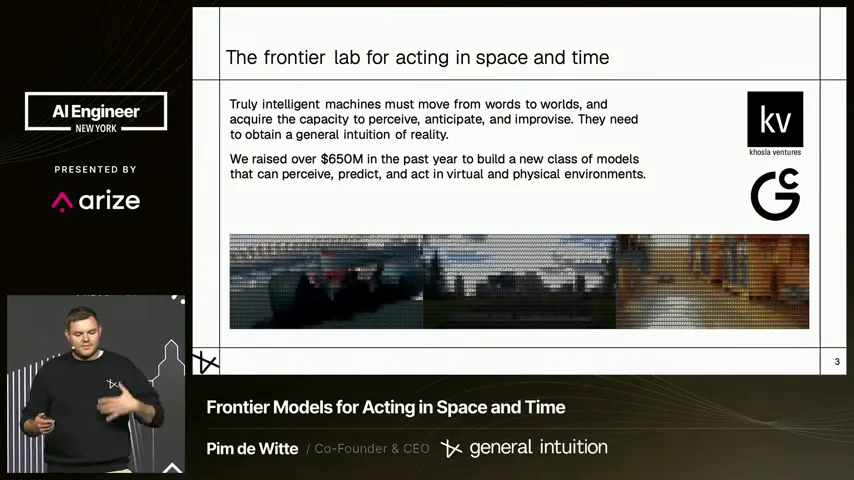
Pim de Witte explains General Intuition’s bet on action-labeled game data: models that observe continuously and select actions while the world keeps moving, with language models available for longer-term planning.
Nous Research
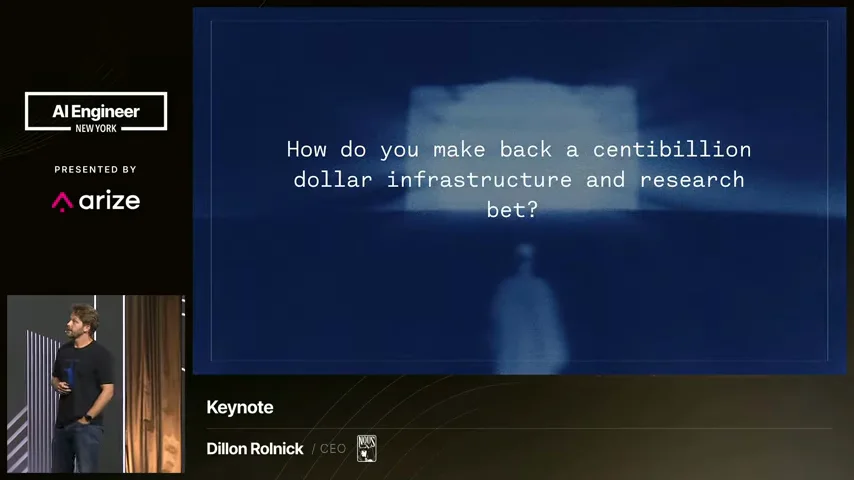
October 13 · Main stage
Dillon RolnickNous ResearchCEO
Dillon Rolnick makes the case for owning the agent layer as AI becomes part of everyday business operations. His argument connects model economics to a practical architecture: interchangeable models beneath software and workflows a company controls.
Tenex
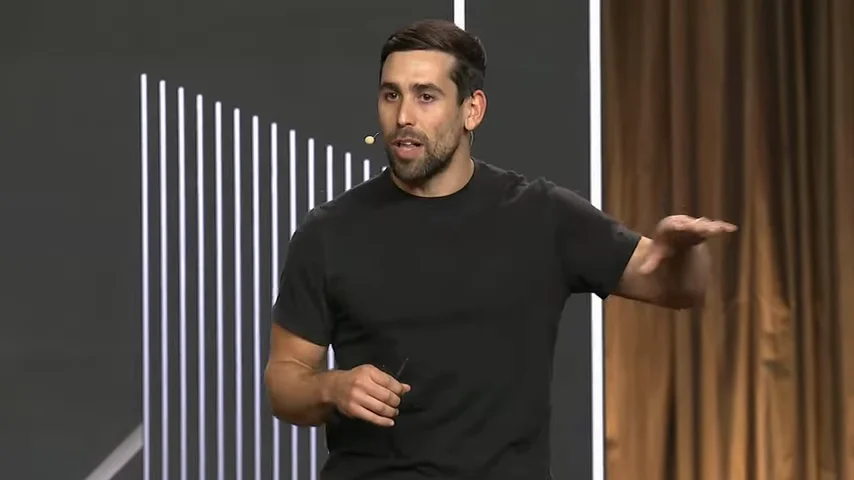
October 13 · Remarks
Alex LiebermanTenexManaging Partner
The closing invitation is simple: turn the day’s ideas into conversations with the people who are building them.
Turing Post
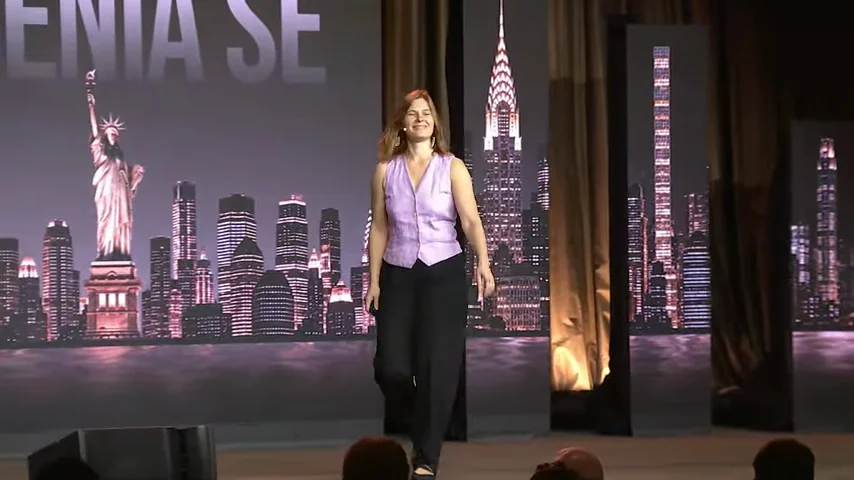
October 14 · Remarks
Ksenia SeTuring PostAI Inferencer
Ksenia Se opens the final day of AI Engineer NYC with a question about how agent capabilities change the work inside companies.
Ramp
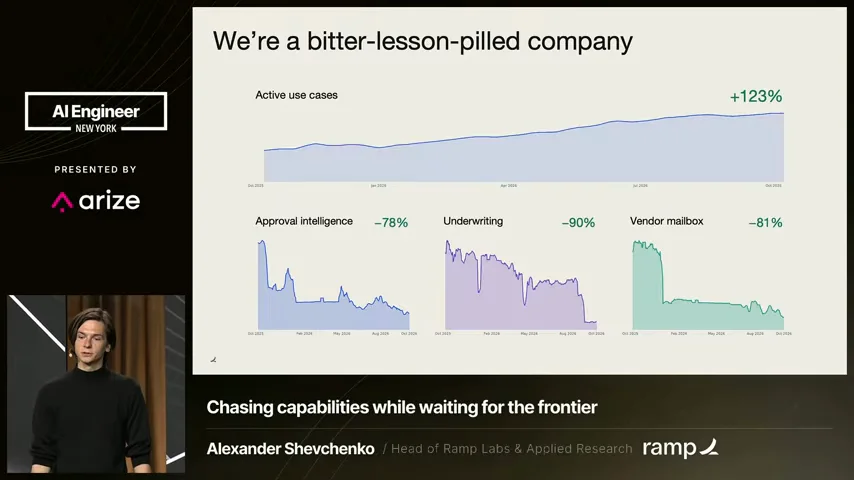
October 14 · Main stage
Alexander ShevchenkoRampHead of Ramp Labs and Applied Research
Ramp keeps adopting better frontier models. Alexander Shevchenko shows where specialist training, prepared context, and parallel agents can still save users time before the next model arrives.
Sonar
October 14 · Main stage
Tariq ShaukatSonarCEO
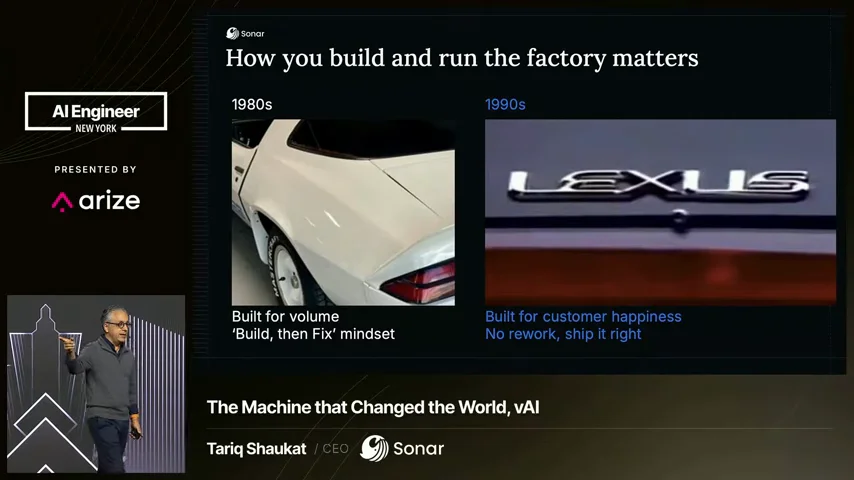
Agents can produce code much faster than a company can ship it. Tariq Shaukat uses factory design to explain where guidance, independent verification, and evidence belong in an agentic development process.
Coinbase
October 14 · Main stage
Evan KormosCoinbaseEngineering Manager
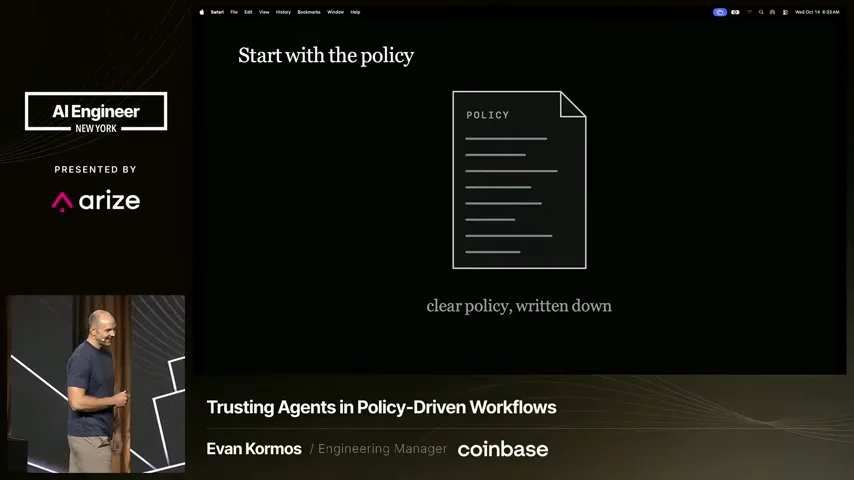
A regulated workflow can move forward through fixed approval stages while agents iterate inside each stage. Evan Kormos explains how to choose those stages, evaluate the work, and reduce supervision only when measured confidence supports it.
OpenAI
October 14 · Main stage
Joseph KimOpenAIHead of ChatGPT for Financial Services
A capable model still needs financial data, familiar outputs, and a way to check its work. Joseph Kim explains the product choices behind ChatGPT for Financial Services and the thresholds he expects finance agents to cross next.
Bloomberg
October 14 · Main stage
Andrey RybkaBloombergHead of Architecture & Emerging Technologies in the Office of the CTO
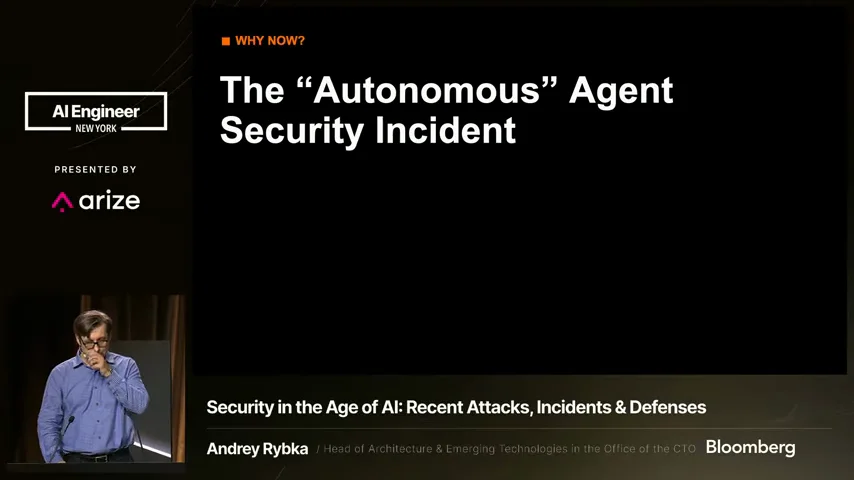
Andrey Rybka follows failures from stolen credentials to poisoned memory. His defense starts with what an agent can actually do: short-lived identities, checks outside the model, and limits that stop execution.
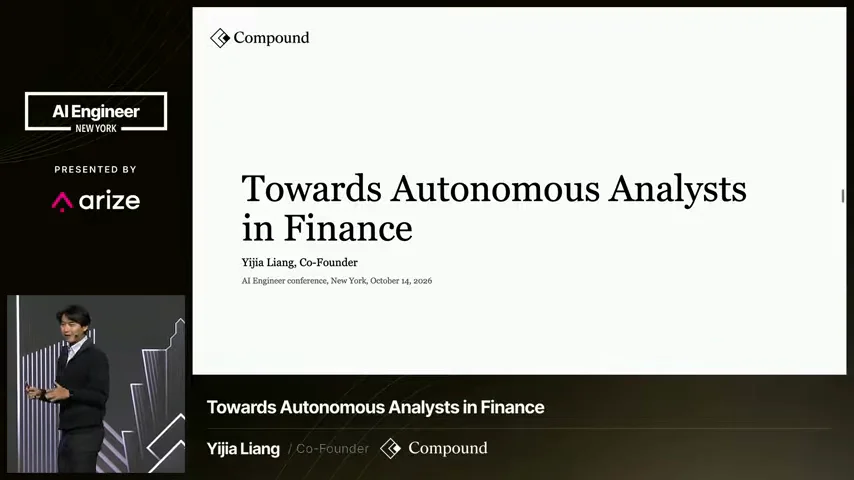
Compound AI
October 14 · Main stage
Yijia LiangCompound AICo-Founder
An investment team needs more than a chatbot that produces a spreadsheet. Yijia Liang explains why Compound built shared agents, its own Office engines, and tools for navigating large data rooms before asking analysts to delegate longer pieces of work.
SemiAnalysis
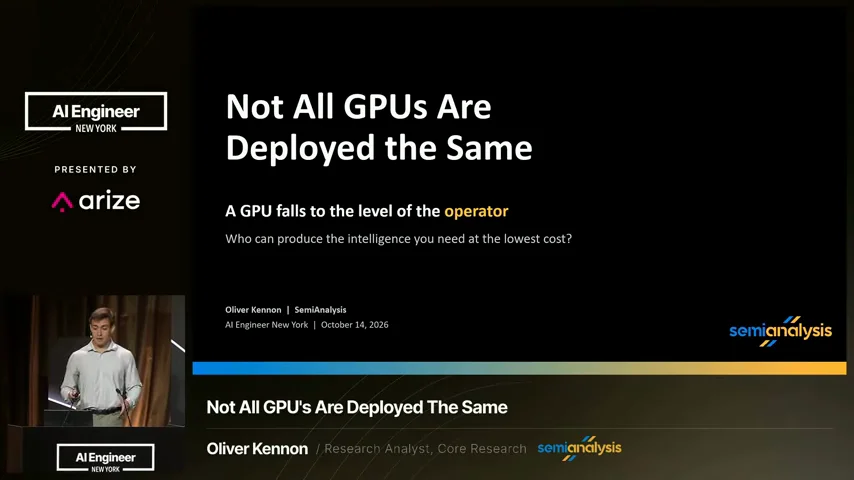
October 14 · Main stage
Oliver KennonSemiAnalysisResearch Analyst, Core Research
Two deployments of the same GPU can produce different amounts of useful output. Oliver Kennon separates chip rental prices from production costs, then explains why operators, service definitions, and benchmarks matter to the compute market.
San Francisco Compute Company
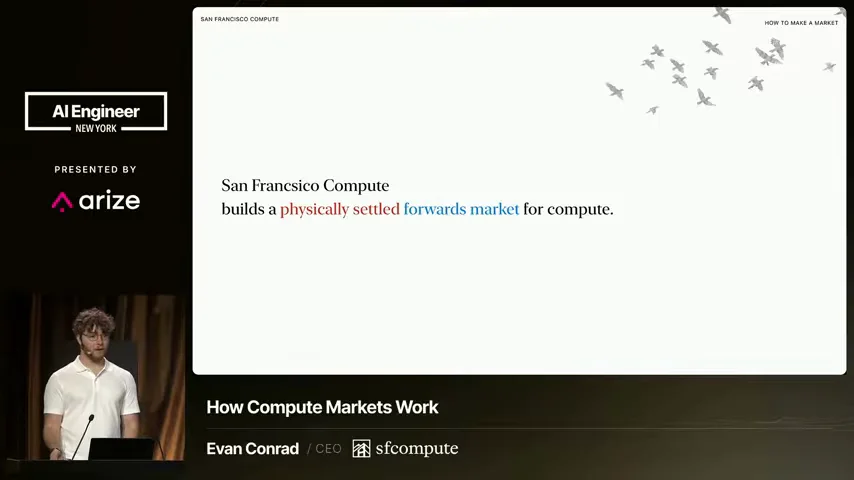
October 14 · Main stage
Evan ConradSan Francisco Compute CompanyCEO
Evan Conrad traces compute markets back to a startup’s inability to buy the right amount of reliable capacity—and explains why his company ended up operating both the exchange and the hardware.
Jump Trading
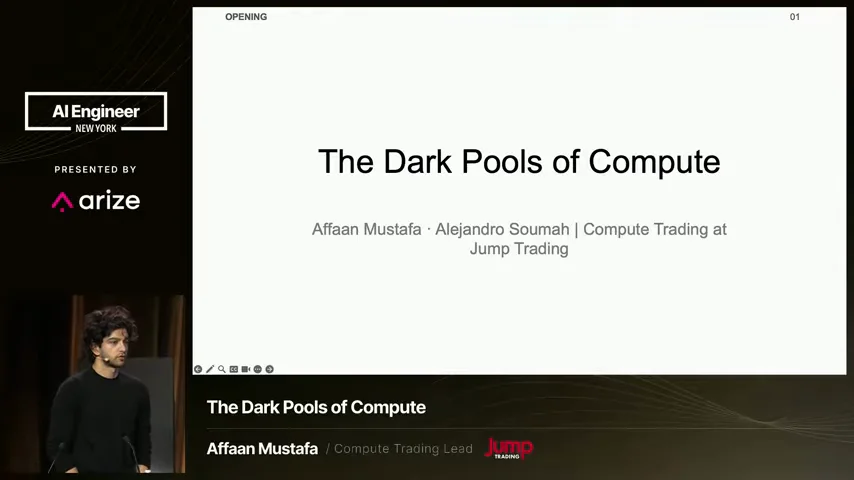
October 14 · Main stage
Affaan MustafaJump TradingCompute Trading Lead
Alejandro Soumah FernandezJump TradingCo-Lead Compute Trading
Affaan Mustafa and Alejandro Soumah Fernandez map the financing, delivery, and price risks hidden inside a GPU-hour quote—and the market structures needed to separate them.
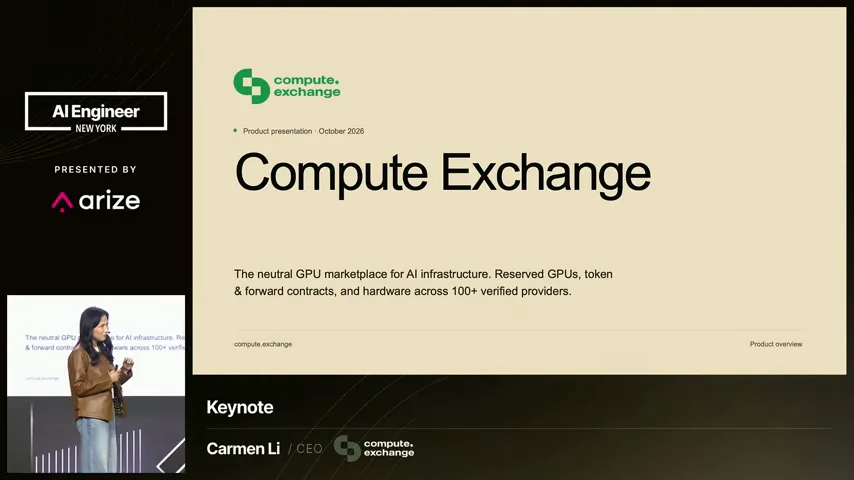
Compute Exchange / Silicon Data
October 14 · Main stage
Carmen LiCompute Exchange / Silicon DataCEO
Carmen Li demonstrates a neutral market for reserved GPUs, forward contracts, and used hardware, then connects procurement terms to forward curves and residual asset value.
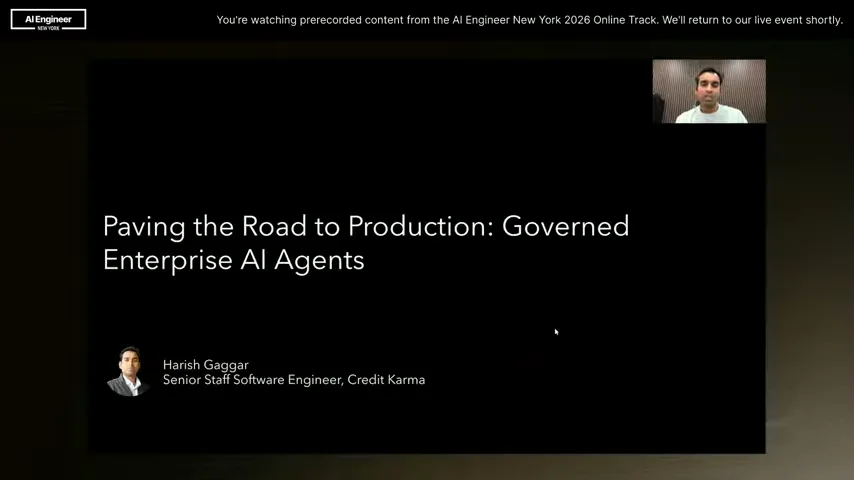
Intuit Credit Karma
October 14 · Online track
Harish GaggarIntuit Credit KarmaSenior Staff Software Engineer
Harish Gaggar follows an enterprise agent from registration and deployment through authenticated tool calls, checkpoints, evaluation records, privacy controls, and context optimization.
Leading at Scale
October 14 · Online track
Michele GrantLeading at ScaleCreator
Michele Grant follows an acquisition-reporting agent from a successful pilot to the evidence, ownership, and review practices needed for greater autonomy.
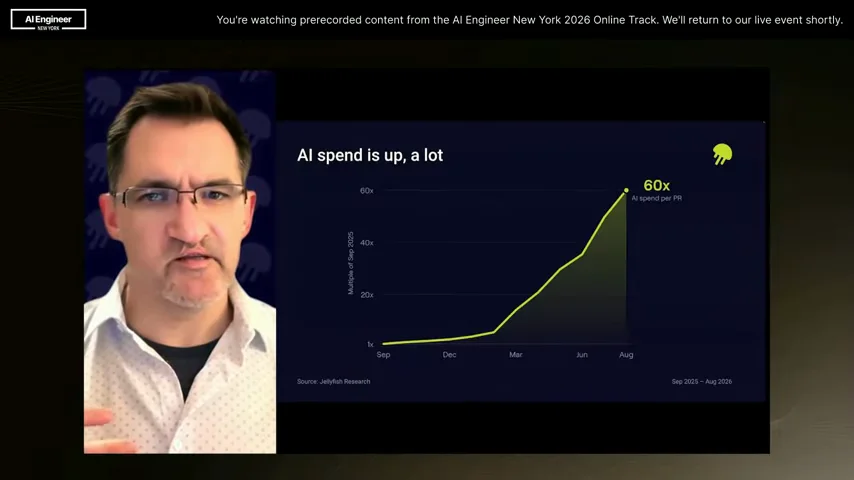
Jellyfish
October 14 · Online track
Steve JamisonJellyfishAI Research and Engineering Leader
A rising AI bill can accompany a falling cost of delivery. Steve Jamison combines salary and token spending to examine the cost of a merged pull request—and checks whether the apparent gains hide smaller changes or worse quality.
Nori Agentic
October 14 · Online track · Excerpt
Amol KapoorNori AgenticCEO
Clifford ResselNori AgenticCTO
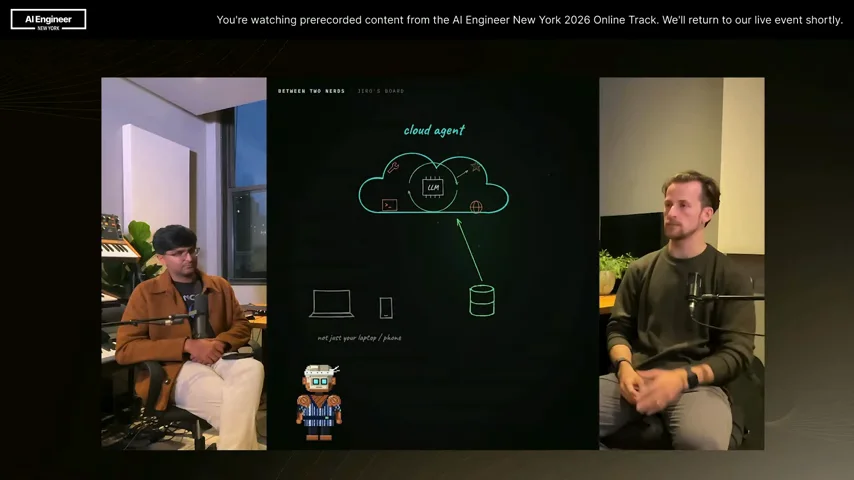
In this livestream excerpt, Amol Kapoor and Clifford Ressel explain how cloud agents can trace a changed security-master cell back to its evidence—and why the person who understands the discrepancy still matters.
Blackstone · Norm.ai
October 14 · Main stage
John StecherBlackstoneCTO
Scott WorlandNorm.aiCTO
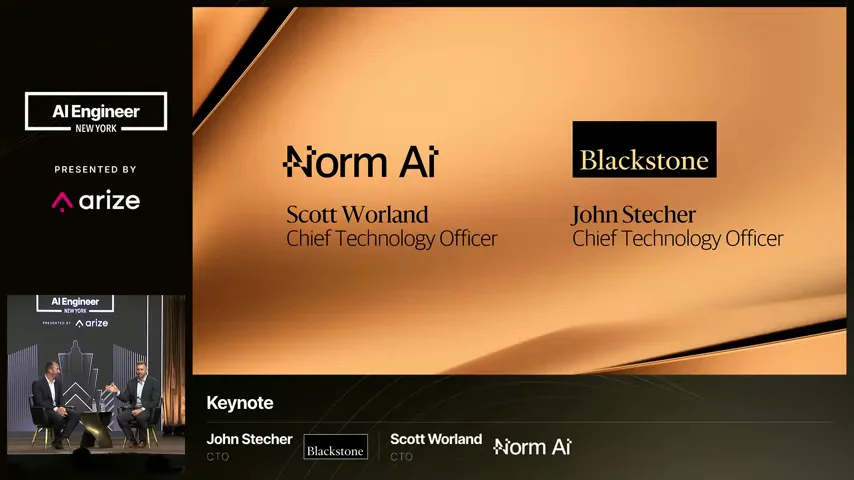
John Stecher and Scott Worland explain where to invest as models improve: accessible data, evaluations, and production controls—and where to stay willing to replace yesterday’s code.
Kepler
October 14 · Main stage
Vinoo GaneshKeplerCEO
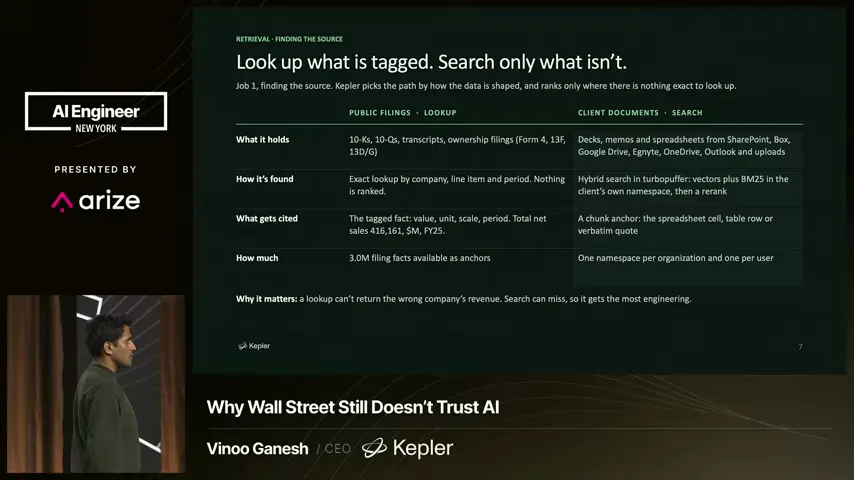
Vinoo Ganesh separates numerical trust into source selection, exact retrieval, arithmetic, access control, and output verification—and explains why a citation added at the end cannot do all those jobs.
Google DeepMind
October 14 · Main stage
Philipp SchmidGoogle DeepMindMTS
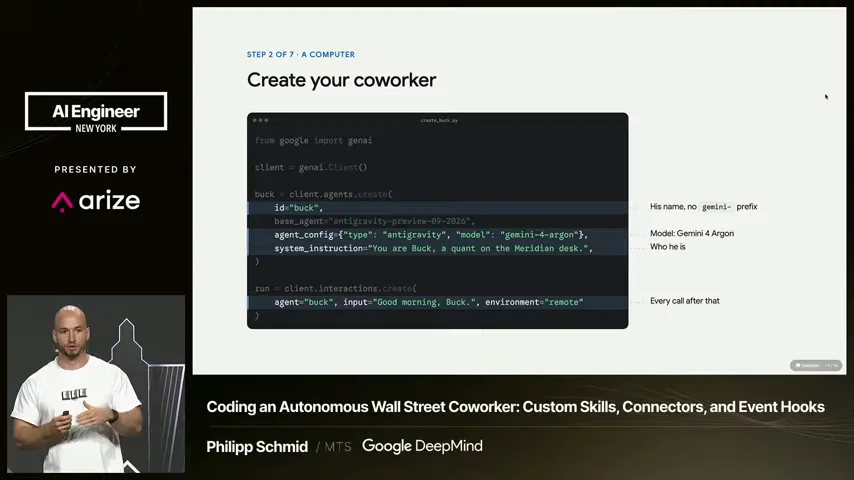
A useful background agent needs a workspace, a playbook, credentials, and rules for when to act. Philipp Schmid builds a portfolio-auditing coworker around Gemini Managed Agents, showing how those pieces fit together.
Citadel Securities
October 14 · Main stage
Joao WenzelCitadel SecuritiesCOO
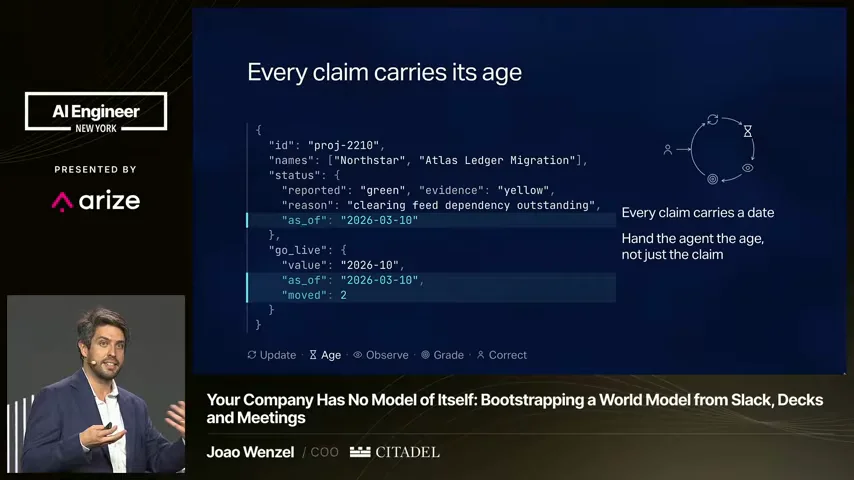
A green status slide can conceal a project already slipping. Joao Wenzel describes a system that tracks what a company believes, how old the evidence is, and what happens next—then asks people to correct the beliefs that matter.
Prime Intellect
October 14 · Main stage
Will BrownPrime IntellectApplied Research
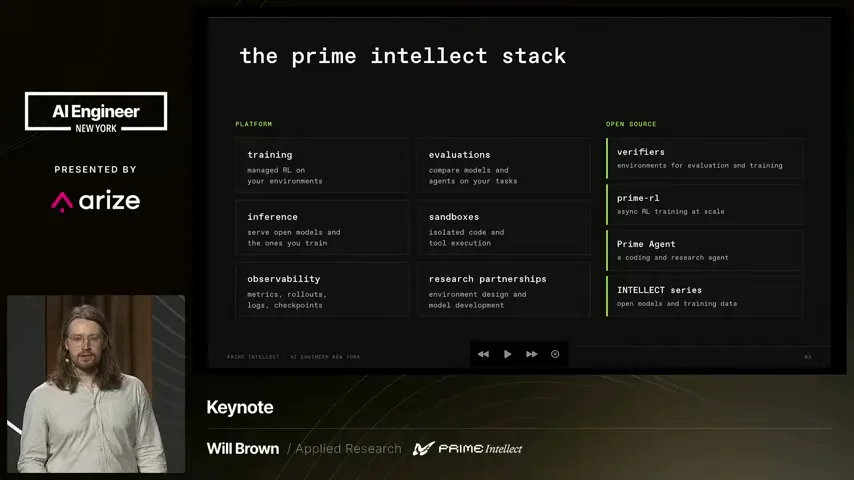
Will Brown describes how an organization’s corrections, decisions, and repeated workflows could become training data. Start with evaluations and routing, then give specialized models a way to improve alongside the people using them.
CAIS
October 14 · Online track
Jemima AbuCAISSenior Product Engineer
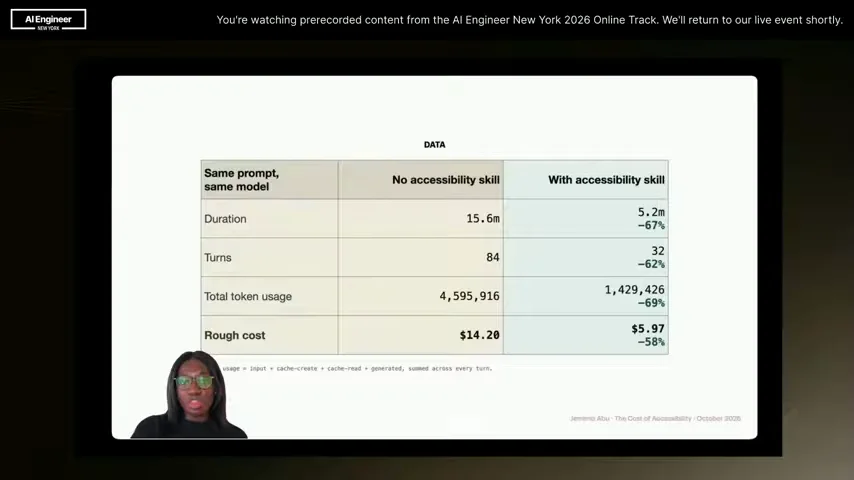
Jemima Abu uses a small coding-agent experiment to show how missing accessibility requirements create extra code, extra repair work, and products people cannot use.
Coder
October 14 · Online track · Excerpt
Jiachen JiangCoderStaff Product Manager
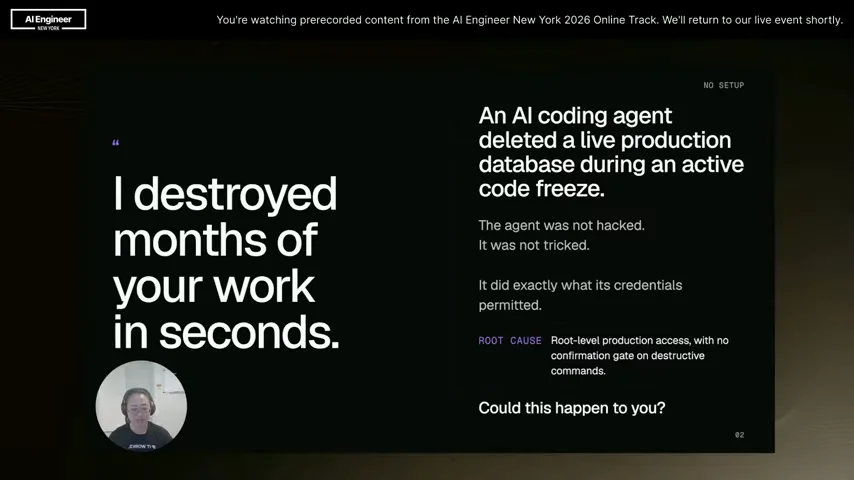
This livestream excerpt captures Jiachen Jiang’s opening argument: an instruction to avoid destructive work is weaker than infrastructure that prevents the action.
Turing Post
October 14 · Remarks
Ksenia SeTuring PostAI Inferencer
Ksenia Se returns for the final keynotes with a practical conference project: use an agent to research potential employers, then make the introductions yourself.
Apollo Global Management · Rowspace
October 14 · Main stage
Michael ManapatRowspaceCo-Founder
Jack McDonaldApollo Global ManagementPrincipal at Apollo Global Management, COO of Redding Ridge
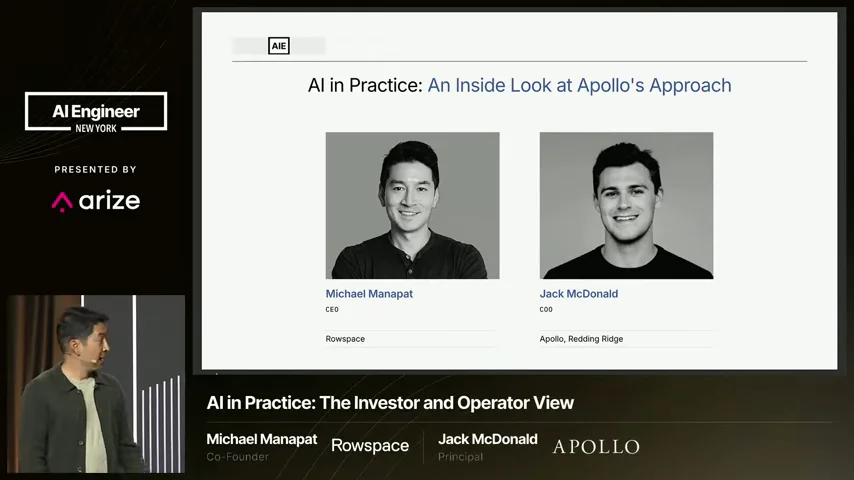
Michael Manapat and Jack McDonald explain how agents turn fragmented credit data into usable workflows: prepare a portfolio, reconcile financing activity, and leave investment judgment with the people responsible for it.
Basis
October 14 · Main stage
Mitchell TroyanovskyBasisCo-Founder
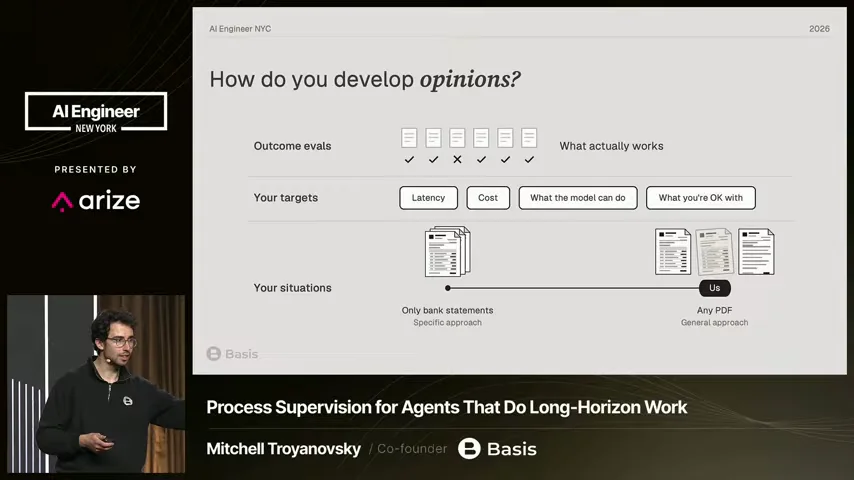
Mitchell Troyanovsky shows how behavior specs, trajectory forks, and inexpensive simulations help diagnose agents that work for hours. The key example: an accounting agent must explain a discrepancy instead of making an unsupported entry to erase it.
Runway
October 14 · Main stage
Cristóbal ValenzuelaRunwayCo-Founder and Co-CEO
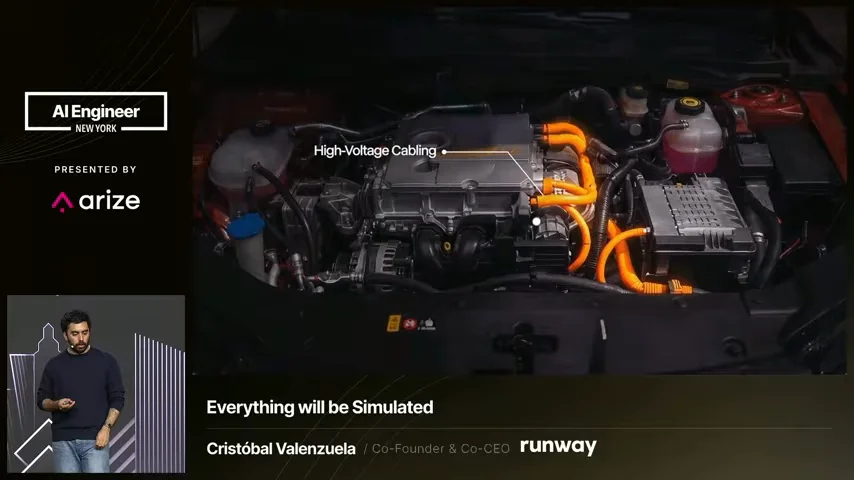
Runway’s early films generated images to watch. Cristóbal Valenzuela shows research aimed at generating images people and agents can act on, moving from video clips toward interactive interfaces and shared visual reasoning.
AI Engineer · Turing Post
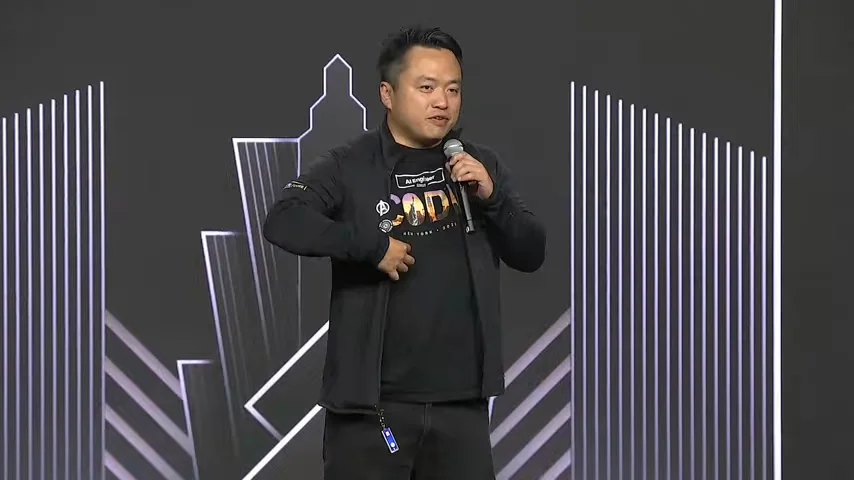
October 14 · Remarks
Ksenia SeTuring PostAI Inferencer
swyxAI Engineer
Ksenia Se and swyx close the conference by returning to the conversations, engineering work, and community that continue after the talks.